
National Council of the Magistracy appoints Supreme Court judges

This article is a summary of reporting by Diario Libre. Originally published November 17, 2026.
The sixteen magistrates selected by the National Council of the Magistracy for the 2026-2028 term will hold protected status, meaning they cannot be removed or suspended except for serious misconduct as defined by the Constitution and the Organic Law of the CNM. These judges will serve a uniform seven-year term beginning in 2026.
AI Summary
Los dieciséis magistrados elegidos por el Consejo Nacional de la Magistratura 2026-2028 no podrán ser removidos, suspendidos, separados, trasladados por ningún poder del Estado, sino cuando incurren en faltas graves en el ejercicio de sus funciones o por inconducta notoria, según los artículos 151, 180 y 275 de la Constitución y 35 de la Ley n.º 138-11, orgánica del CNM. En este sentido, ejercerán sus funciones por un período uniforme y no gradual de siete años, a partir del 2026, y terminará si
More in Opinion
Juan Luis Guerra, the student choir, and Brother Alfredo
Juan Luis Guerra began his musical career in the Student Choir, a development program founded by Brother Alfredo Morales. The initiative served as a t

Dominicans March for Family Values in Santo Domingo
Thousands of people gathered in Santo Domingo on November 22 for the annual 'Un paso por mi Familia' event to promote family values.

Putin links Ukraine crisis to European neocolonial decline
Russian President Vladimir Putin claimed that the global community is shifting toward a multipolar system based on equality. He asserted that Western

Technical high school education aims to improve job opportunities
A 1989 newspaper column highlighted the struggle of graduates who, despite completing twelve years of schooling, lacked specific technical skills to s
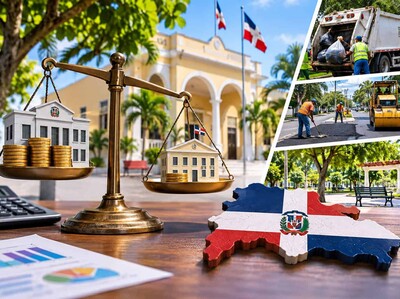
Municipalities: Autonomy and Development
Municipal governments in the Dominican Republic serve as the primary point of contact for citizens, yet they face a persistent contradiction between t
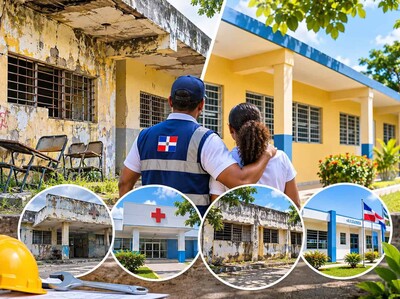
The consequences of neglect
The progressive deterioration of public infrastructure across Dominican communities, including schools, hospitals, and government offices, reflects a